Acute Medicine vs. Chronic Biology


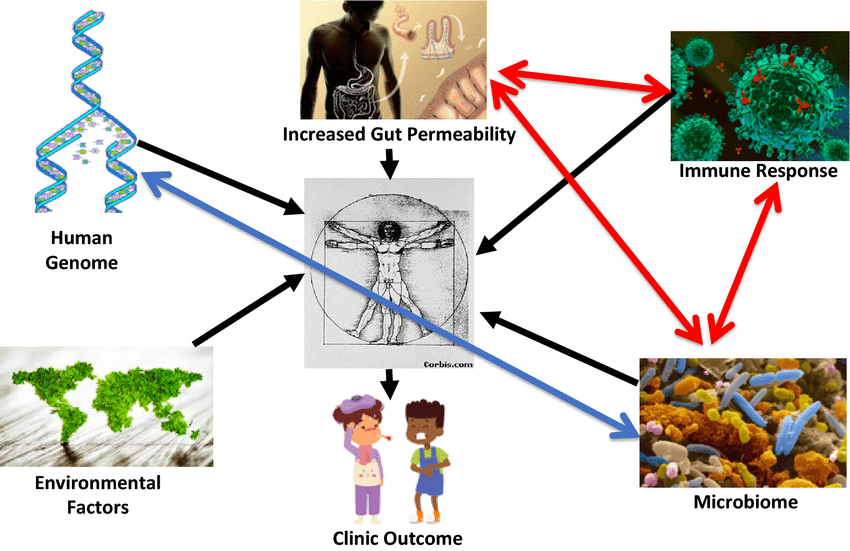
Explanation (terminology-aligned):
Modern medical systems were architected to resolve acute, time-limited threats—infections, trauma, surgical emergencies, and life-threatening events. These conditions demand rapid, targeted intervention, where linear cause-effect logic applies and outcomes are immediately measurable.
Chronic diseases, by contrast, reflect persistent system-level adaptations, including:
These are patterns of regulation, not isolated defects—making them poorly suited to purely acute intervention models.
Chronic Disease Is a System Pattern, Not a Prolonged Acute Event
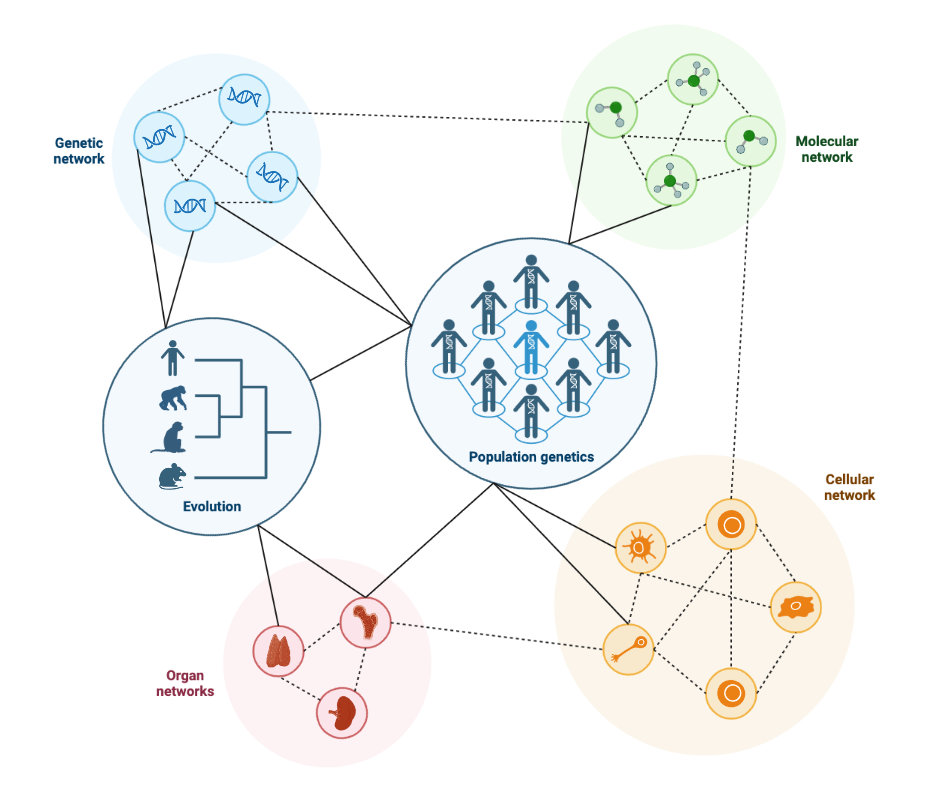


Explanation:
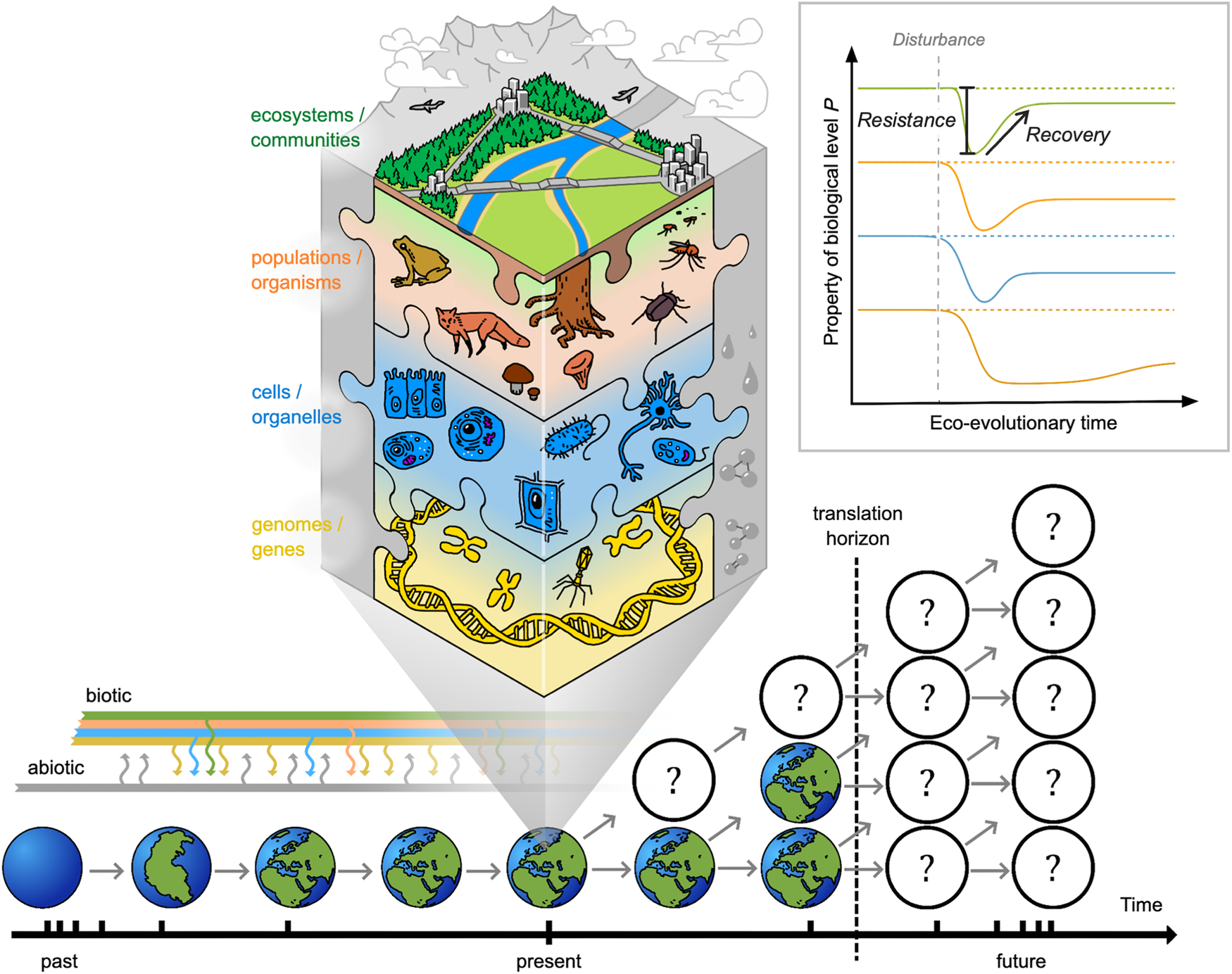
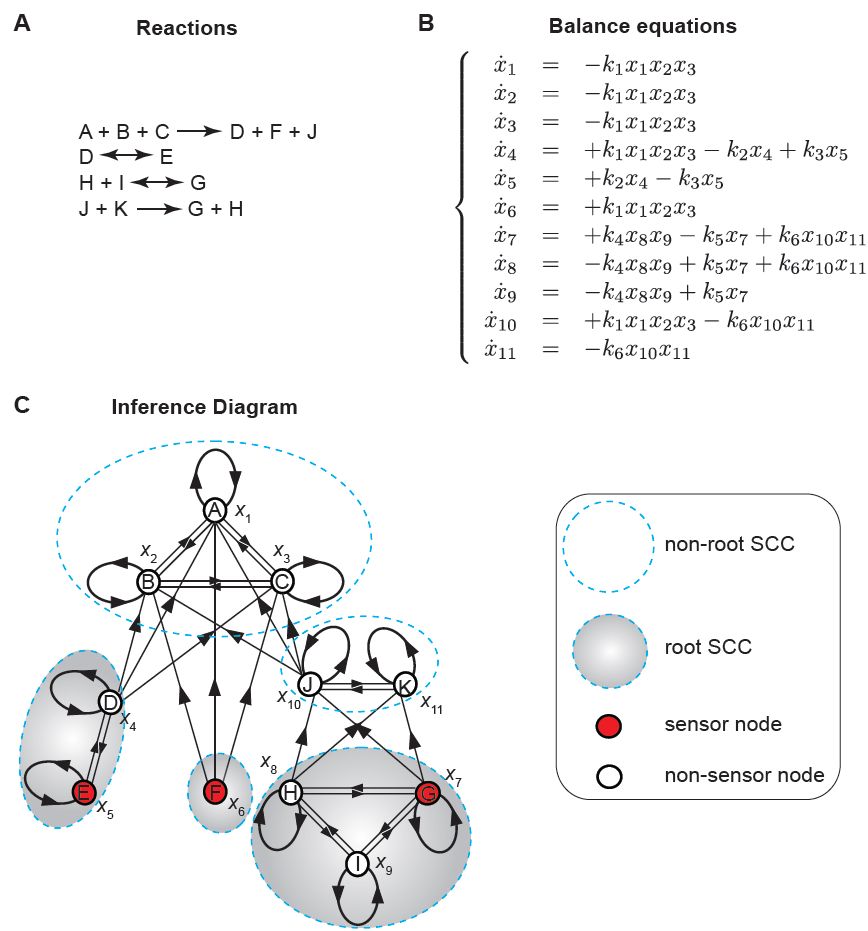
Chronic conditions do not represent a single failure that simply “lasts longer.” They are emergent states arising from interacting biological networks.
Key characteristics include:
- feedback loop reinforcement
- signaling redundancy
- compensatory adaptation
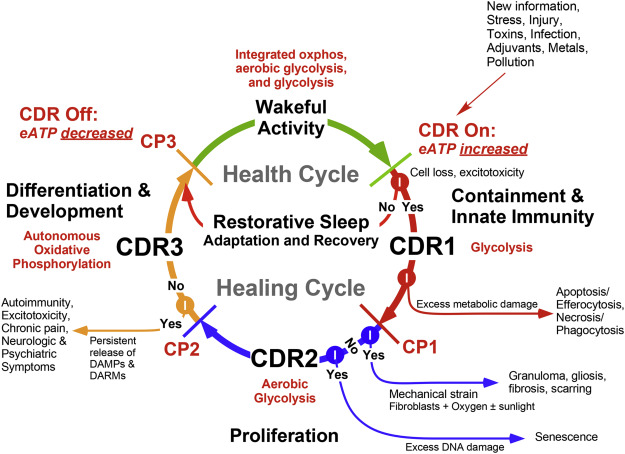
Once established, the system stabilizes around a dysfunctional equilibrium, maintaining symptoms even when individual pathways are suppressed.
Control-Based Medical Models
Stabilization without reprogramming
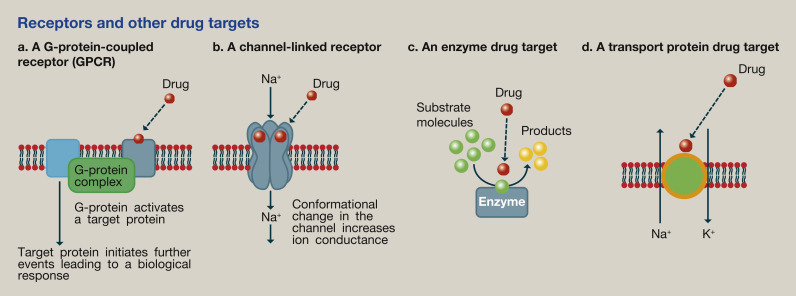
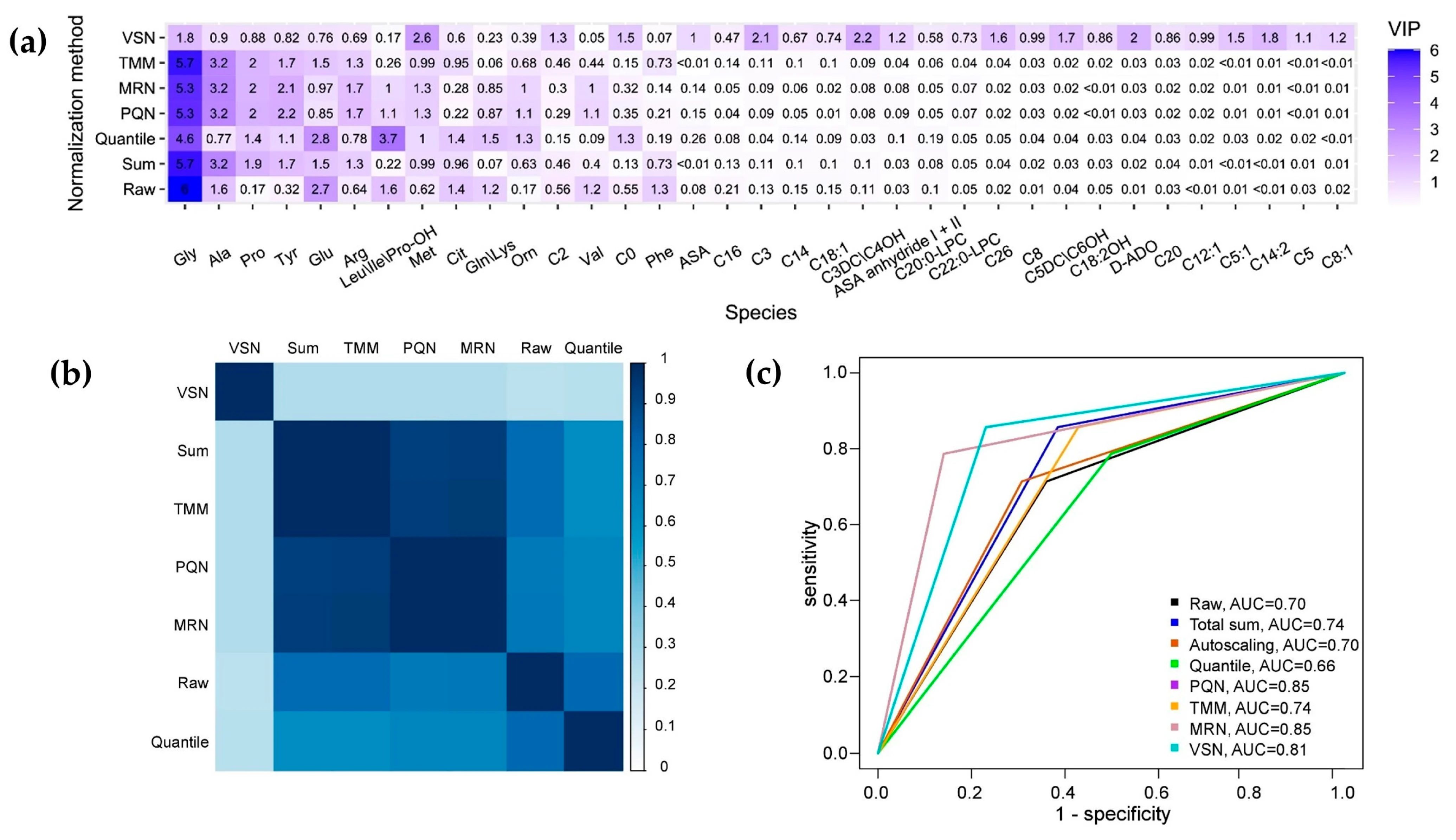
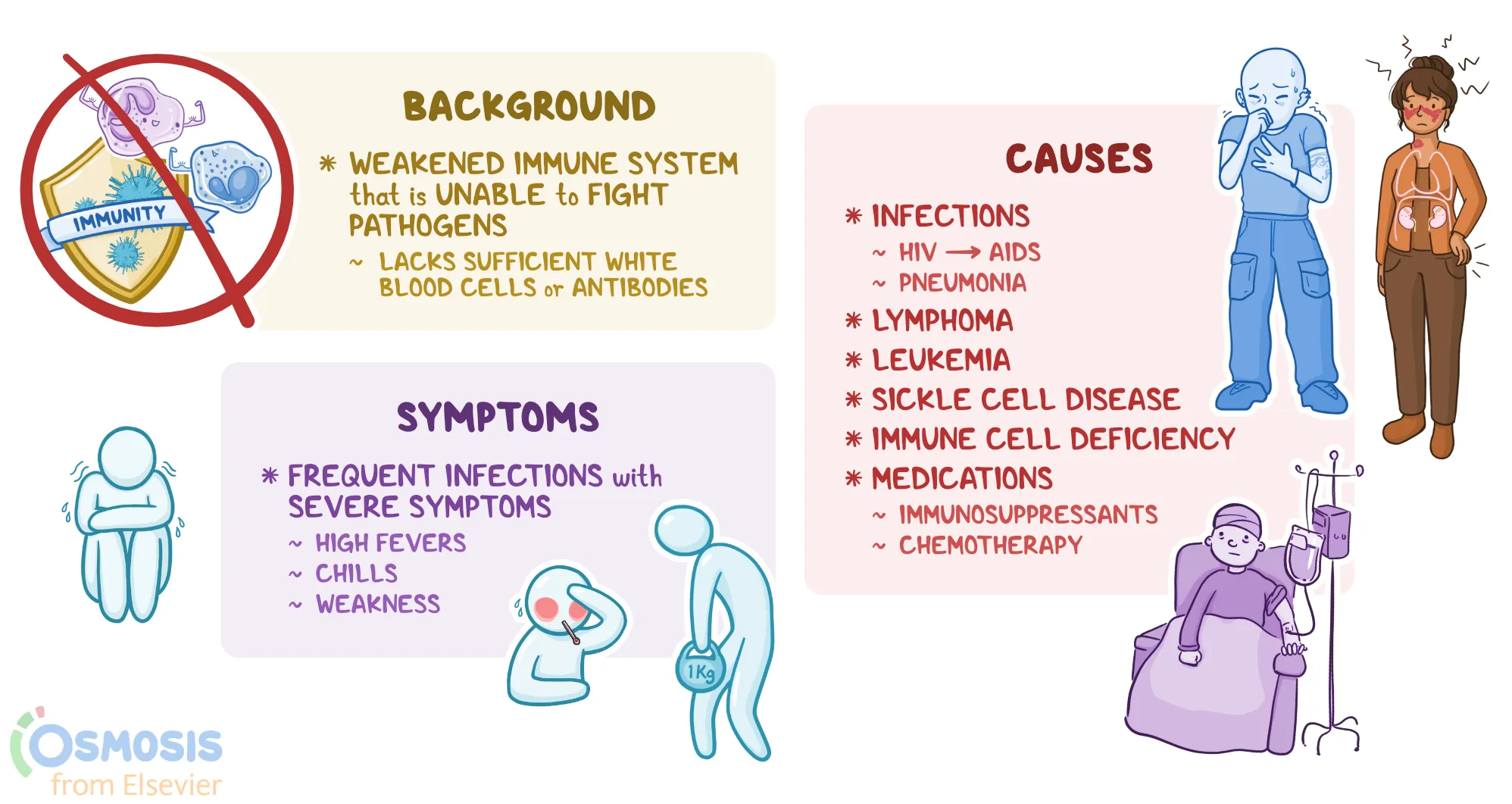
Explanation:
Current chronic disease management emphasizes:
- receptor blocking
- pathway inhibition
- biomarker normalization
- prevention of acute deterioration
These strategies are often necessary and lifesaving, yet they typically do not alter the upstream biological context—the regulatory environment that produced the disease state.
As a result:
This reflects design scope, not medical failure.
Biology Adapts to Context
The system learns the disease

Explanation:
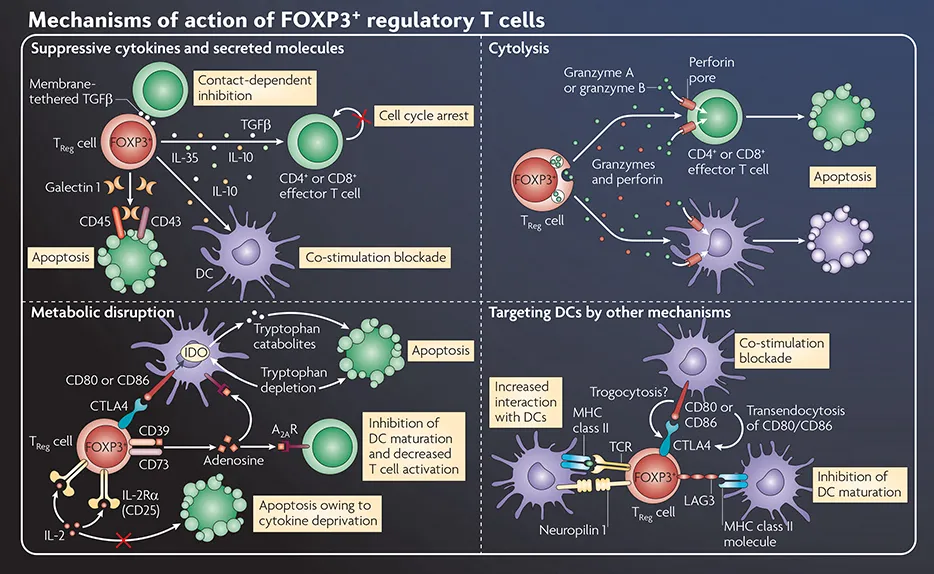
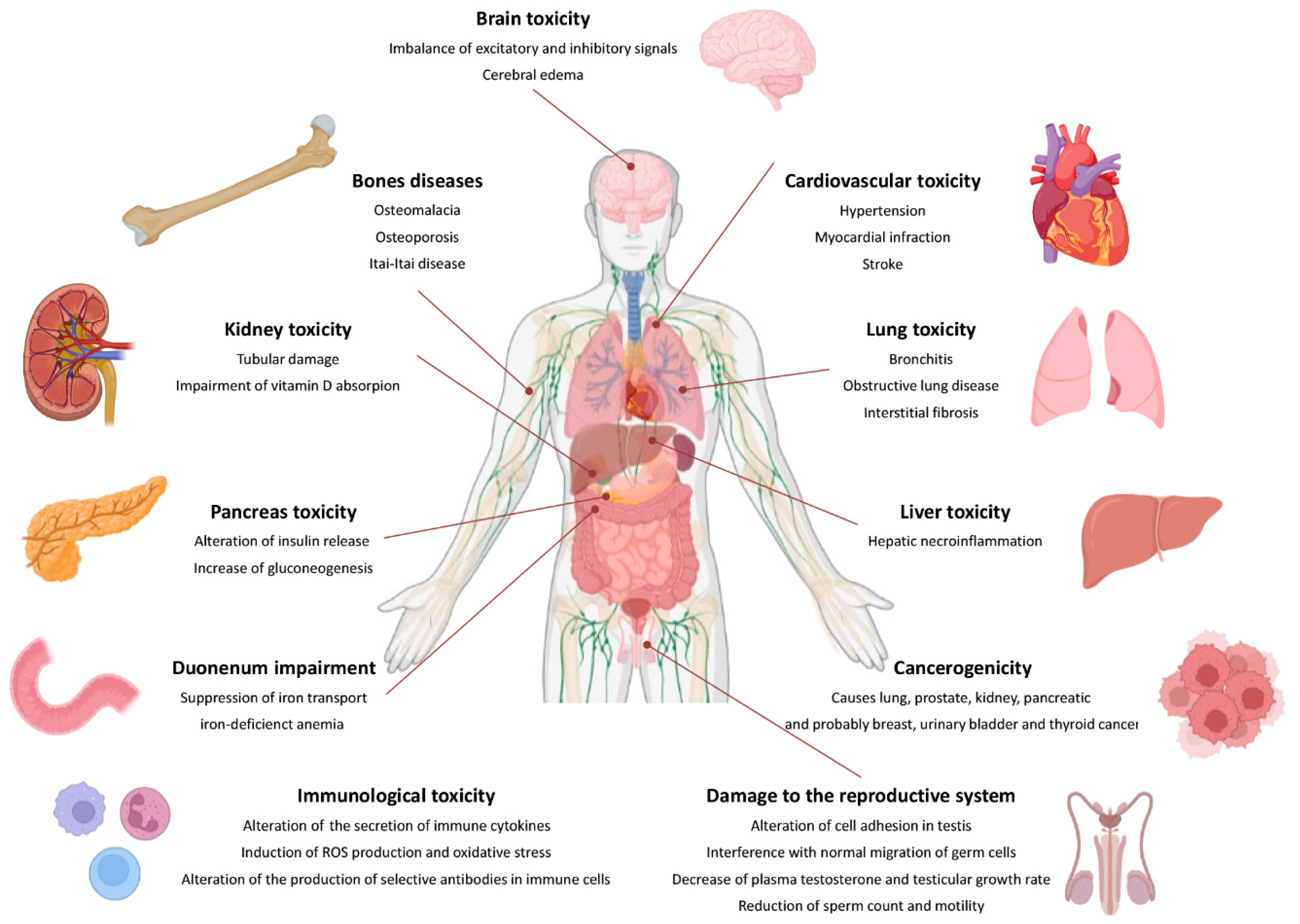
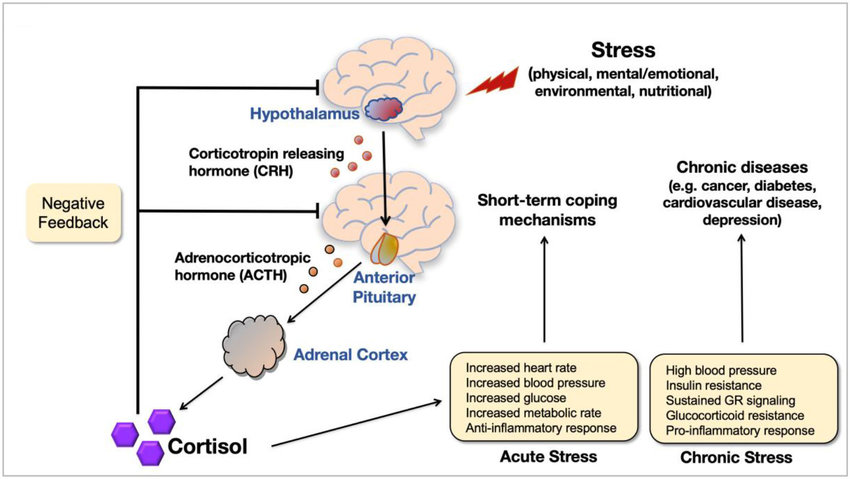
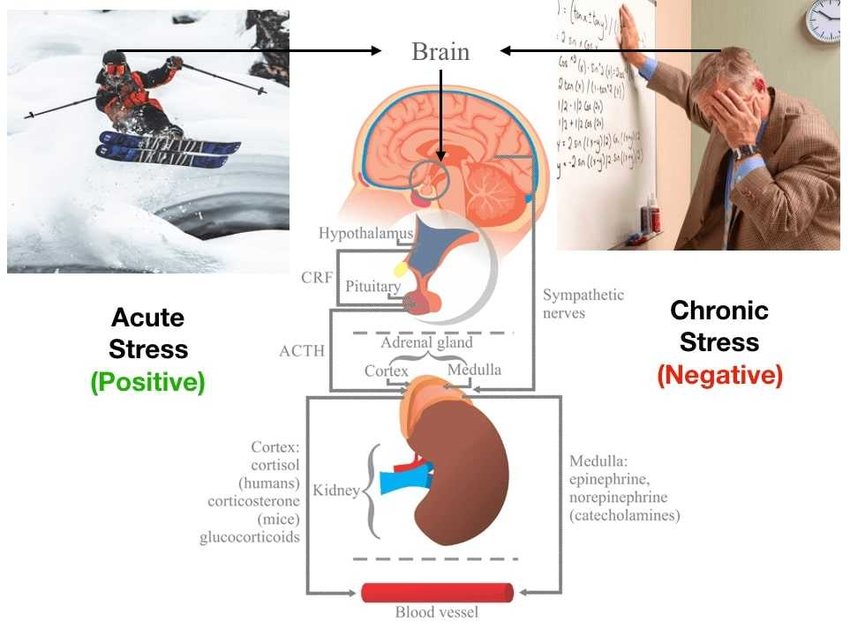
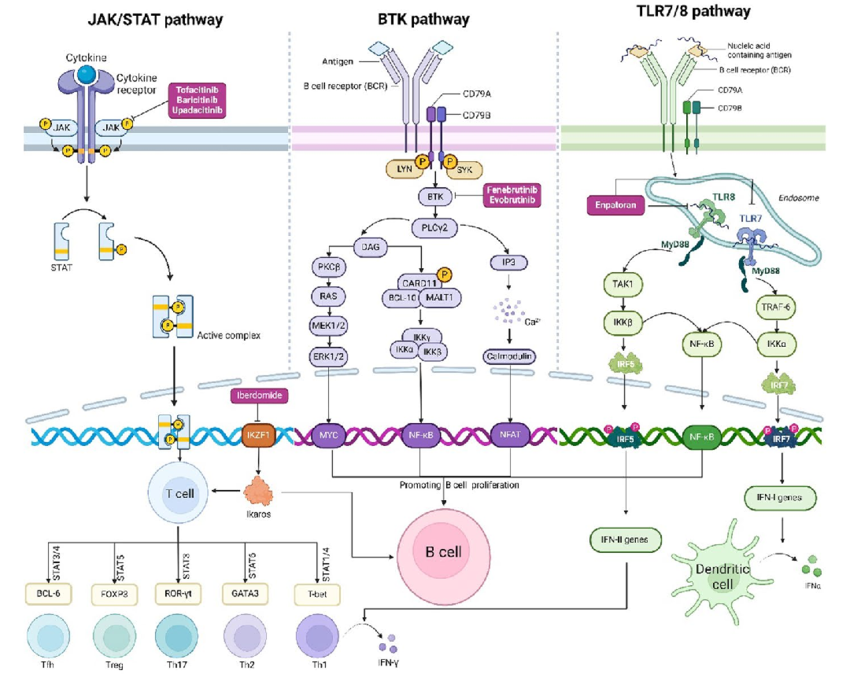
Systems biology and immunology increasingly demonstrate that chronic disease emerges from contextual pressure, including:
- sustained inflammatory cues
- disrupted immune tolerance
- metabolic overload
- environmental and lifestyle stressors
Under these conditions, biology adapts—establishing a new regulatory “normal,” even when that state is pathological.
Suppressing a single signal rarely reverses the learned system behavior.
Why the Idea of a Single “Cure” Breaks Down
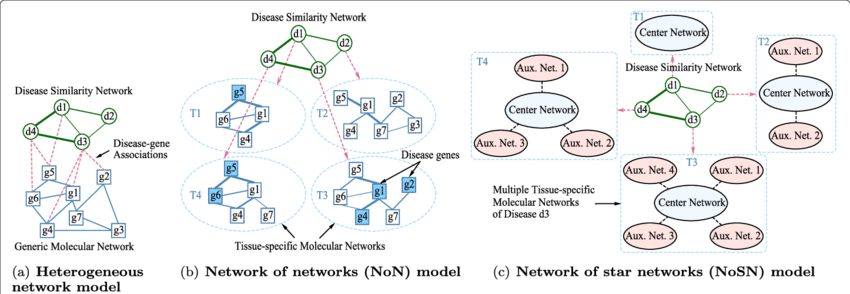
Explanation:
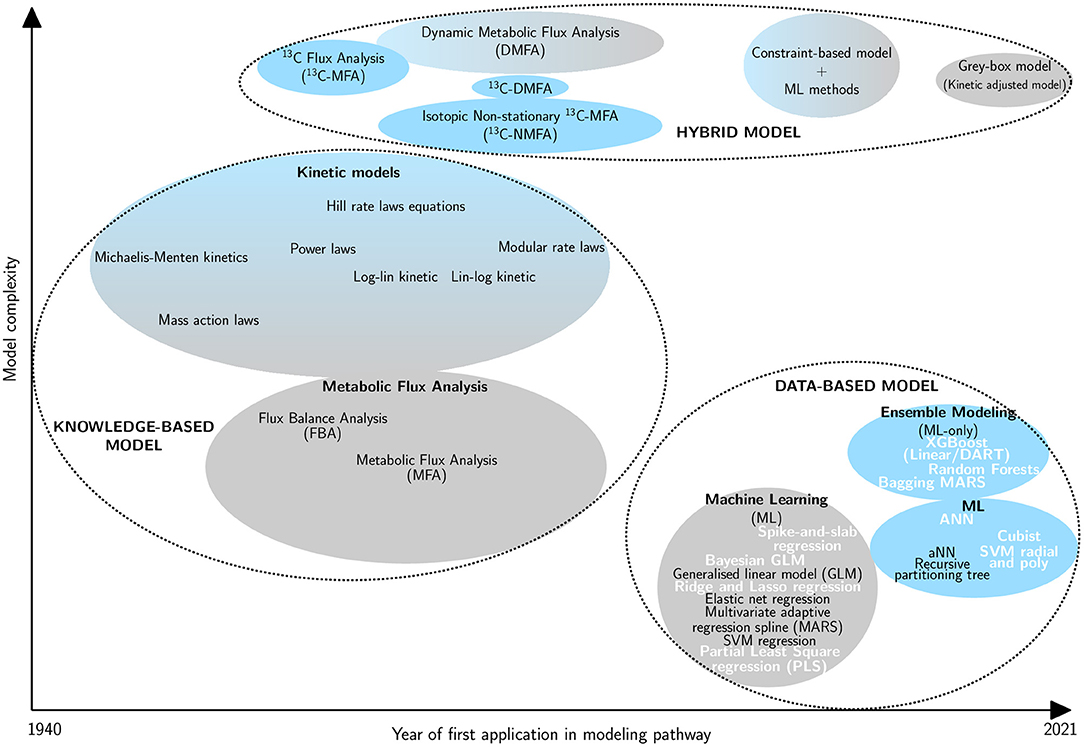
The concept of a cure assumes:
Chronic diseases are better understood as:
Improvement therefore depends less on elimination and more on progressive re-patterning of regulation over time.
Complementary System-Based Approaches
Working with biology, not against it
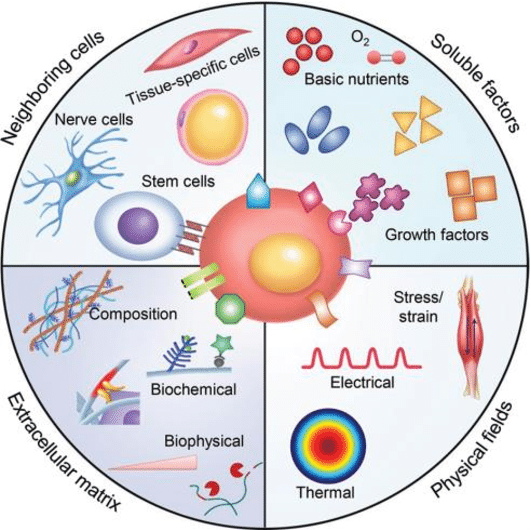
Explanation:
This understanding has driven interest in approaches that emphasize:
These approaches do not replace medical care.
They address dimensions that interventional models are not designed to resolve alone.
From Disease Suppression to Biological Reorientation

Explanation:
The emerging direction of chronic health management focuses on:
This represents a conceptual evolution:
from fighting disease → to guiding biology back toward coherence.
Conclusion
Chronic diseases persist not because medicine is ineffective, but because complex adaptive systems do not transform through isolated control alone.
System-level healing requires:
—not just suppression.
Scientific Context & References
Blog MiraBiotic®

Short, evidence-informed reads for everyday wellness. Explore topics across immunity, microbiome, metabolic balance, and neuro health.
Recent Blogs
What Does Biological Reset Mean – and Why Does the Body Need It?
Jan 12, 2026
A Systems-Based Model of Biological Support with MiraBiotic
Jan 06, 2026
Inflammation as a Systemic Signal — Not a Disease
Jan 20, 2026Modern Medicine Symptom Control vs. Biological Healing
Jan 19, 2026
The Body’s Biological Intelligence – More Advanced Than We Think
Jan 24, 2026Newsletter
Get new posts in your inbox.
